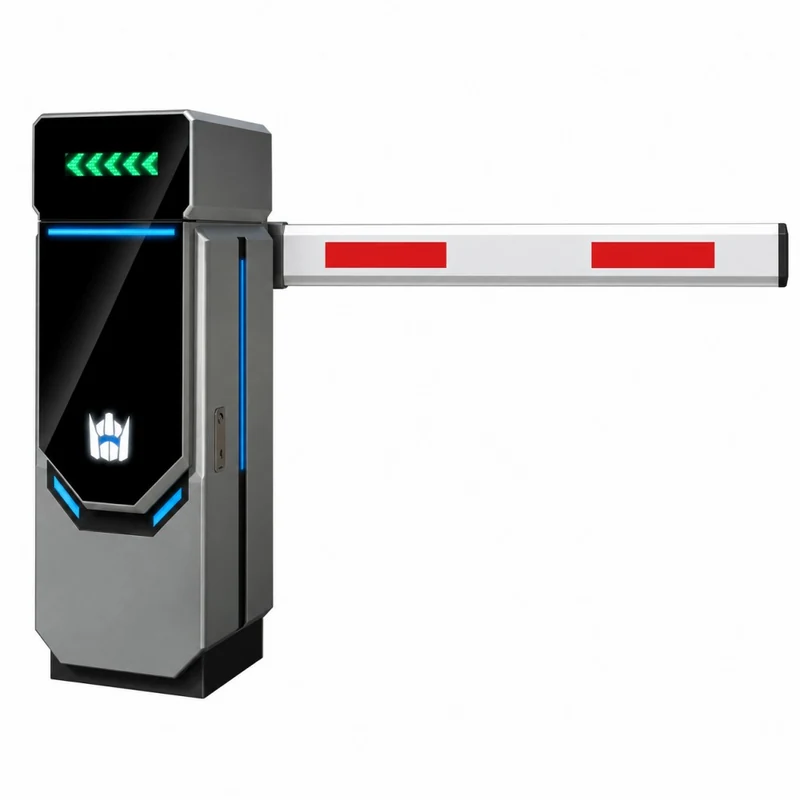
Automatic Boom Barrier Gates
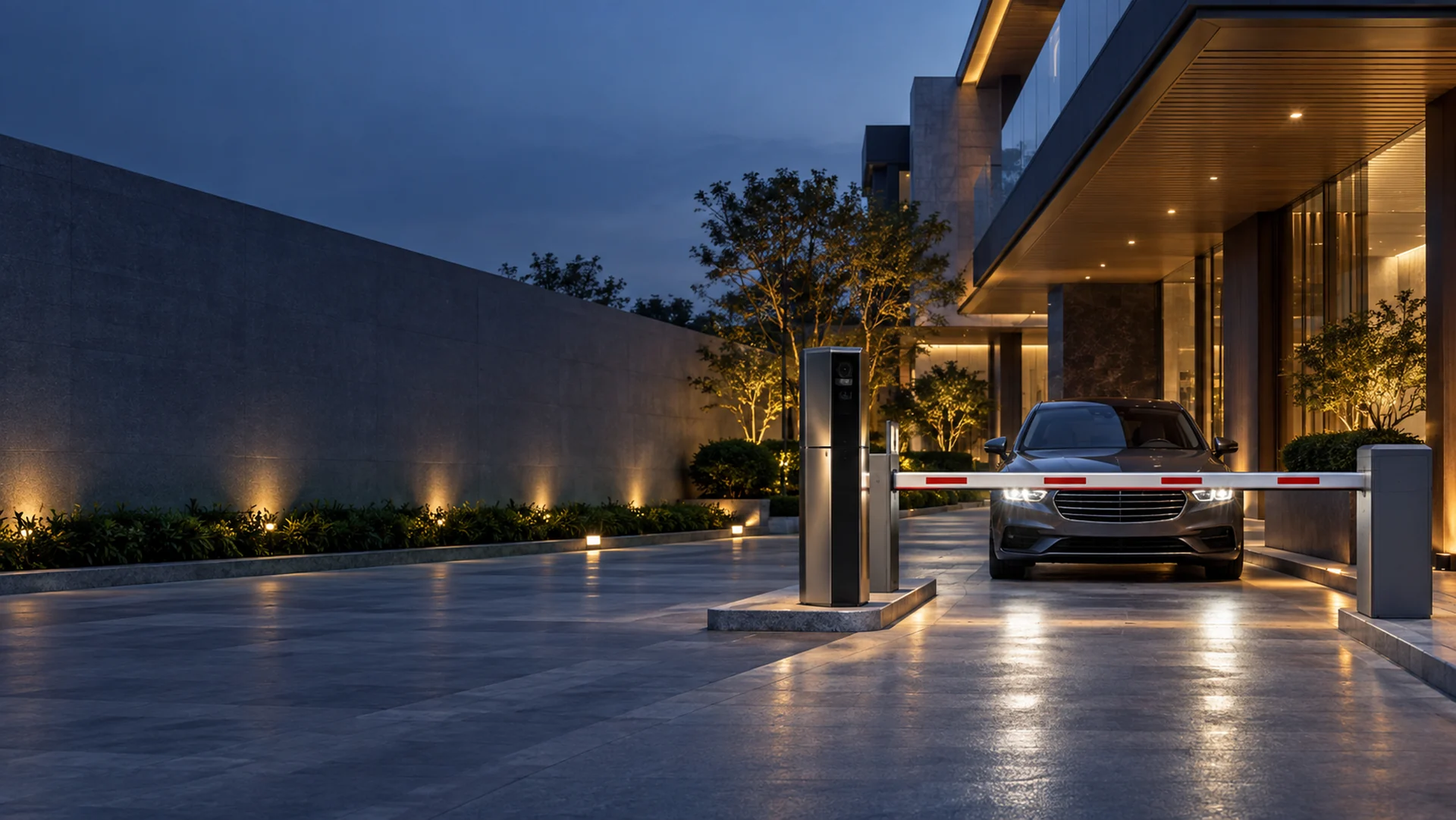
Straight, folding, fence, high-speed, heavy-duty, advertising and integrated LPR barrier gate options.
Explore →Parking and access control for global B2B projects
From standard barrier gates to custom parking and access control systems, we combine product engineering, software development and OEM/ODM manufacturing support to meet your project requirements.
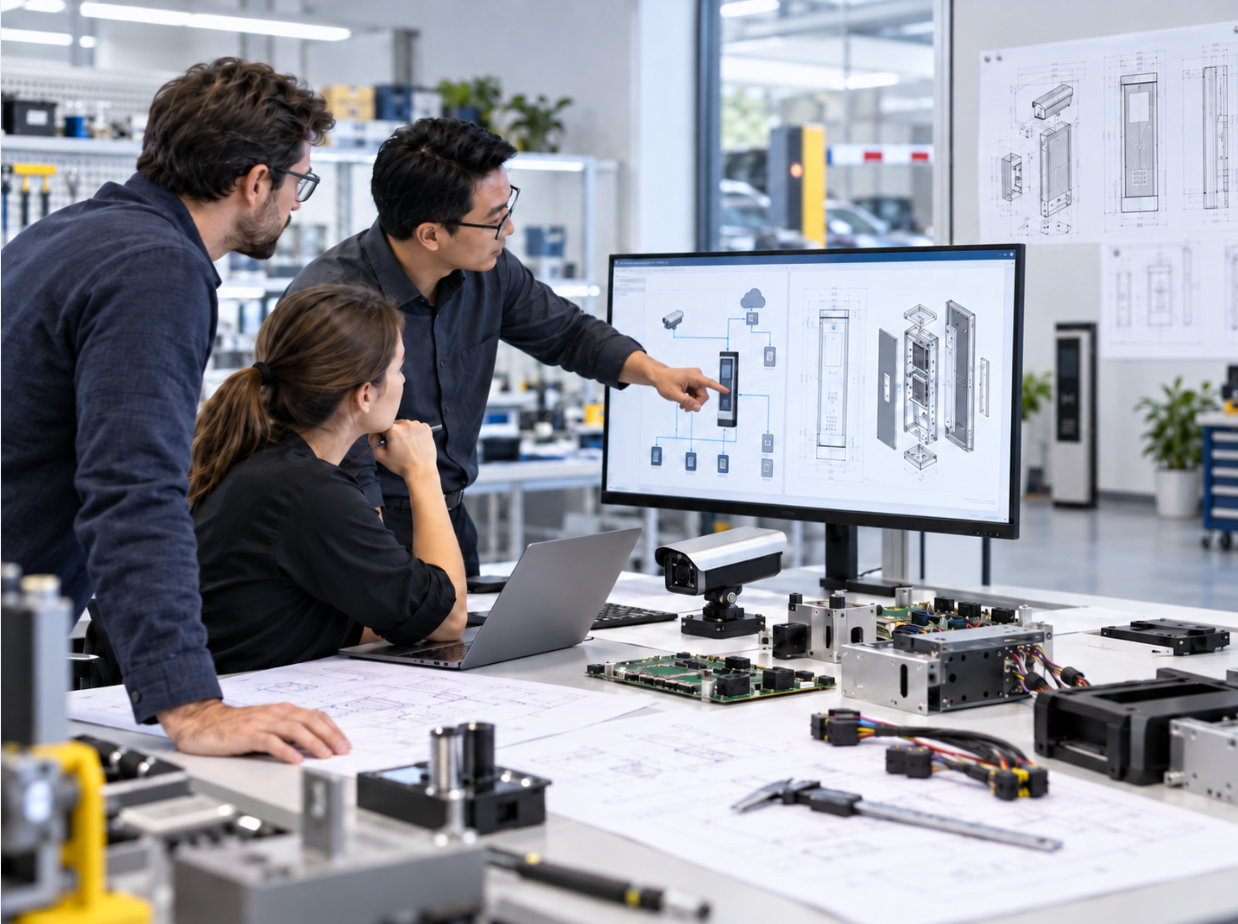
We supply standard parking and access control products, and we develop new products when an existing model cannot meet the project. Our team brings industrial design, mechanical engineering, electronics and software development together around the actual application.
From a modified barrier gate to a new control platform, we review requirements, build and validate the configuration, and coordinate production with our assembly partners.
About Us →Requirements-led product and configuration development.
Enclosures, mechanisms and installation details.
Control boards, device logic and operating sequences.
Management workflows, dashboards and defined interfaces.
Review and testing against the agreed project scope.
Documentation and assembly-partner coordination.
Product Series
Explore six product series, then choose the product type that fits your site and project requirements.
Straight, folding, fence, high-speed, heavy-duty, advertising and integrated LPR barrier gate options.
Explore →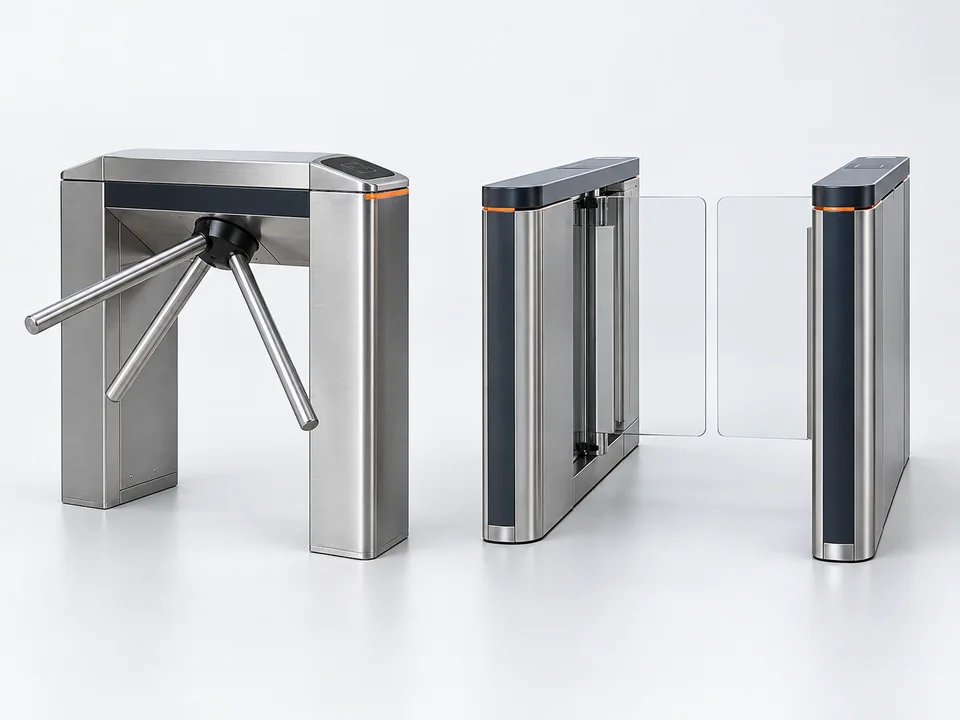
Tripod, swing and flap, speed and optical, Half-height and full-height pedestrian gate formats.
Explore →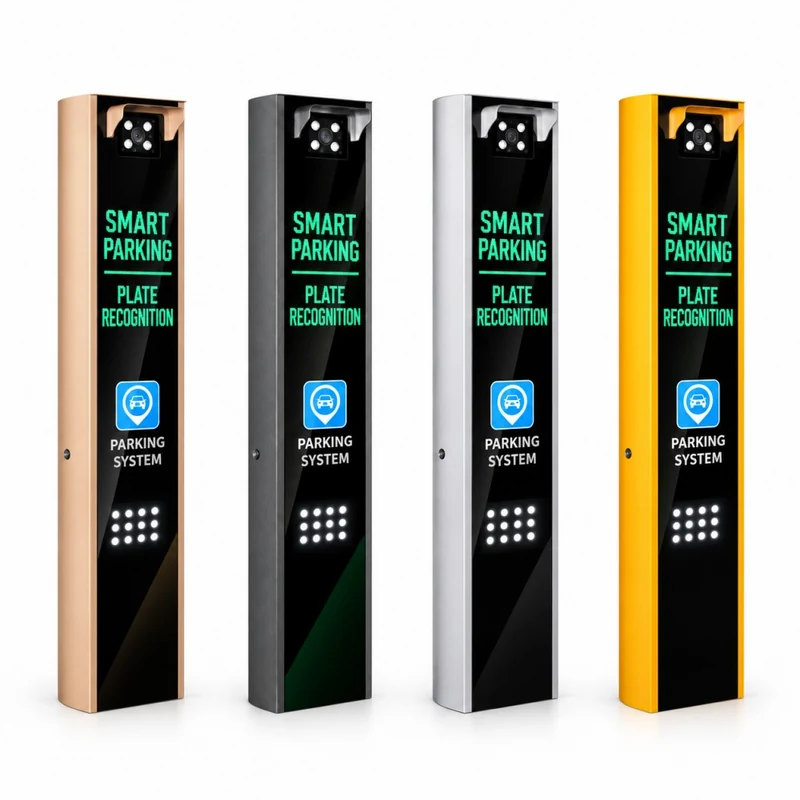
LPR/ANPR terminals and cameras, ticket dispensers, and self-service payment kiosks.
Explore →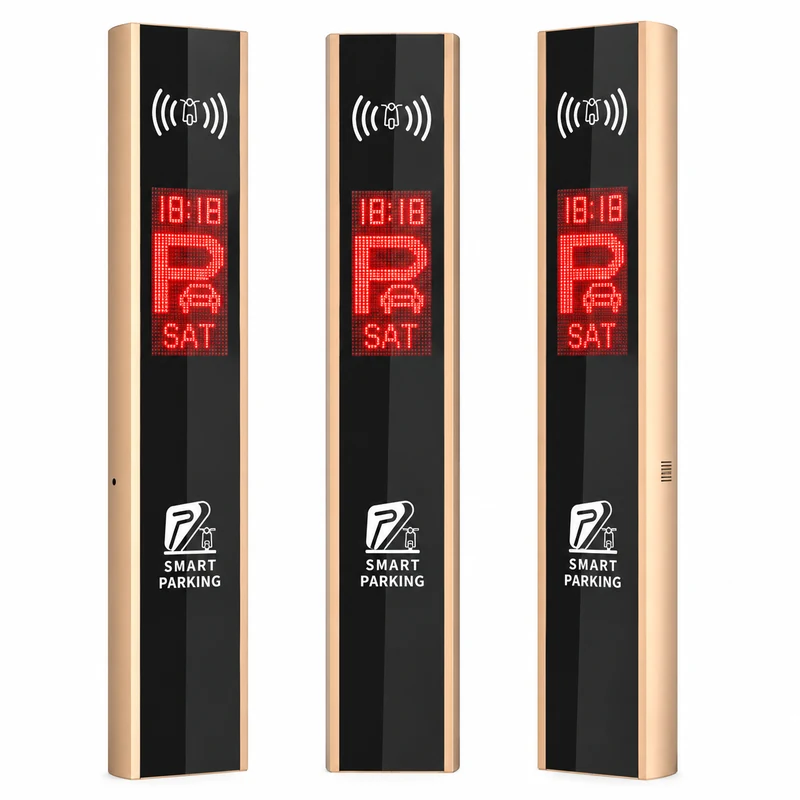
Access equipment and identification workflows for motorcycle and e-bike lanes.
Explore →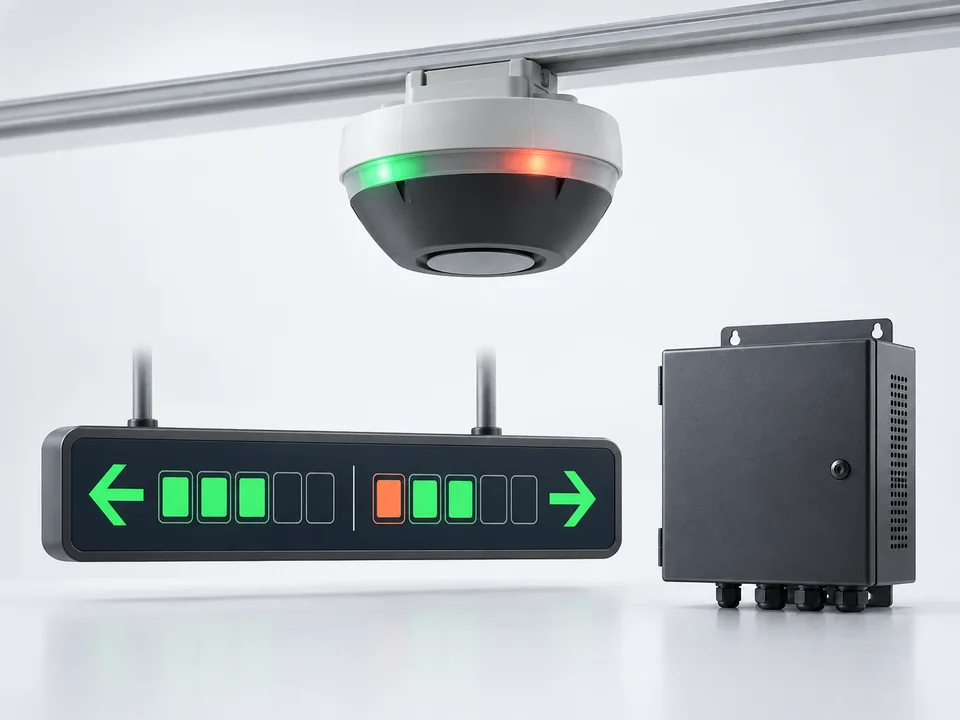
Guide drivers from available-space detection to bay and zone information.
Explore →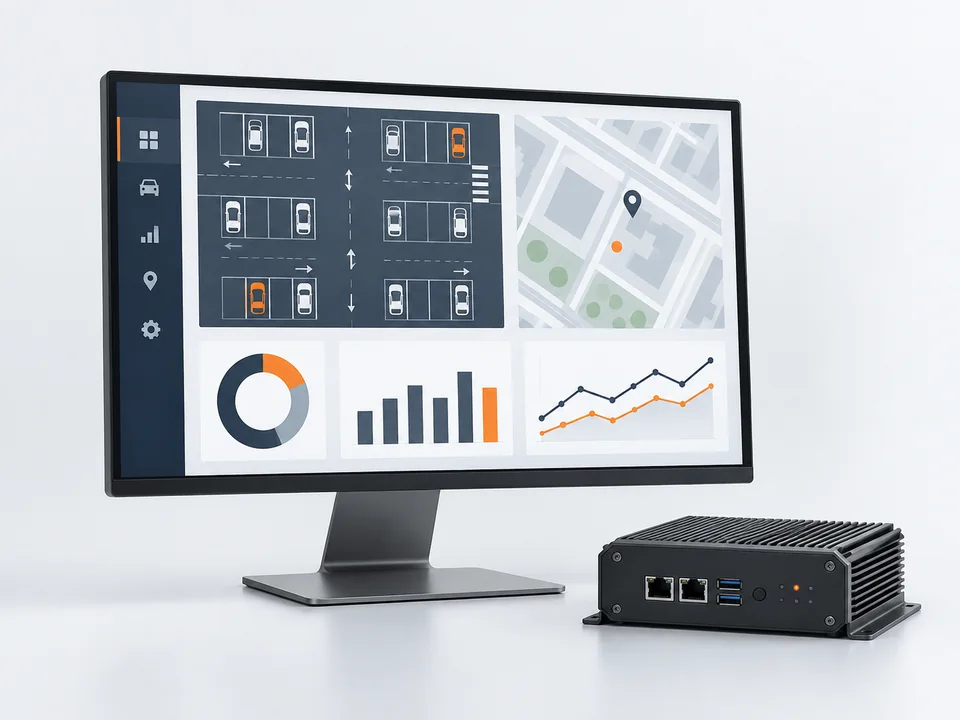
Management workflows for permissions, vehicle records, reporting and integrations.
Explore →Barrier Gate Families
Compare boom formats and operating roles, then open the product-type page for models and configuration details.
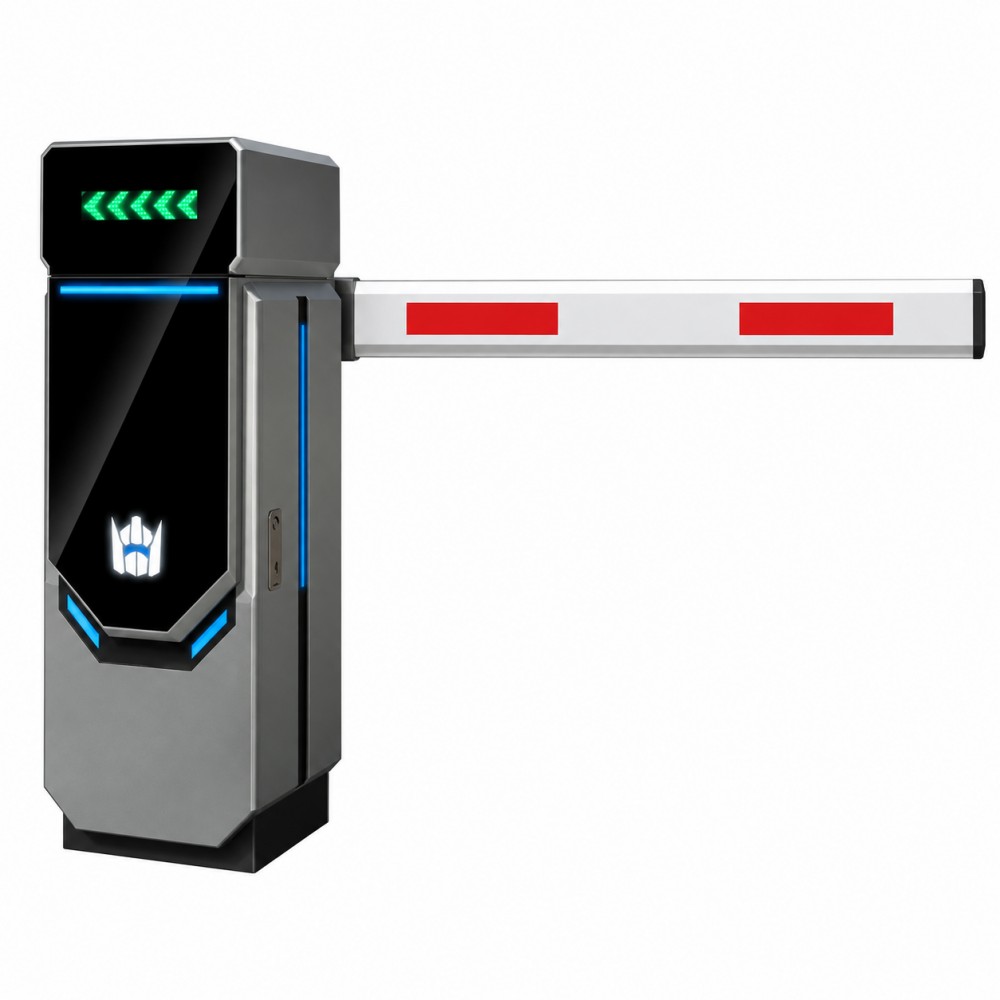
For lanes with suitable overhead clearance and standard straight-boom operation.
Explore →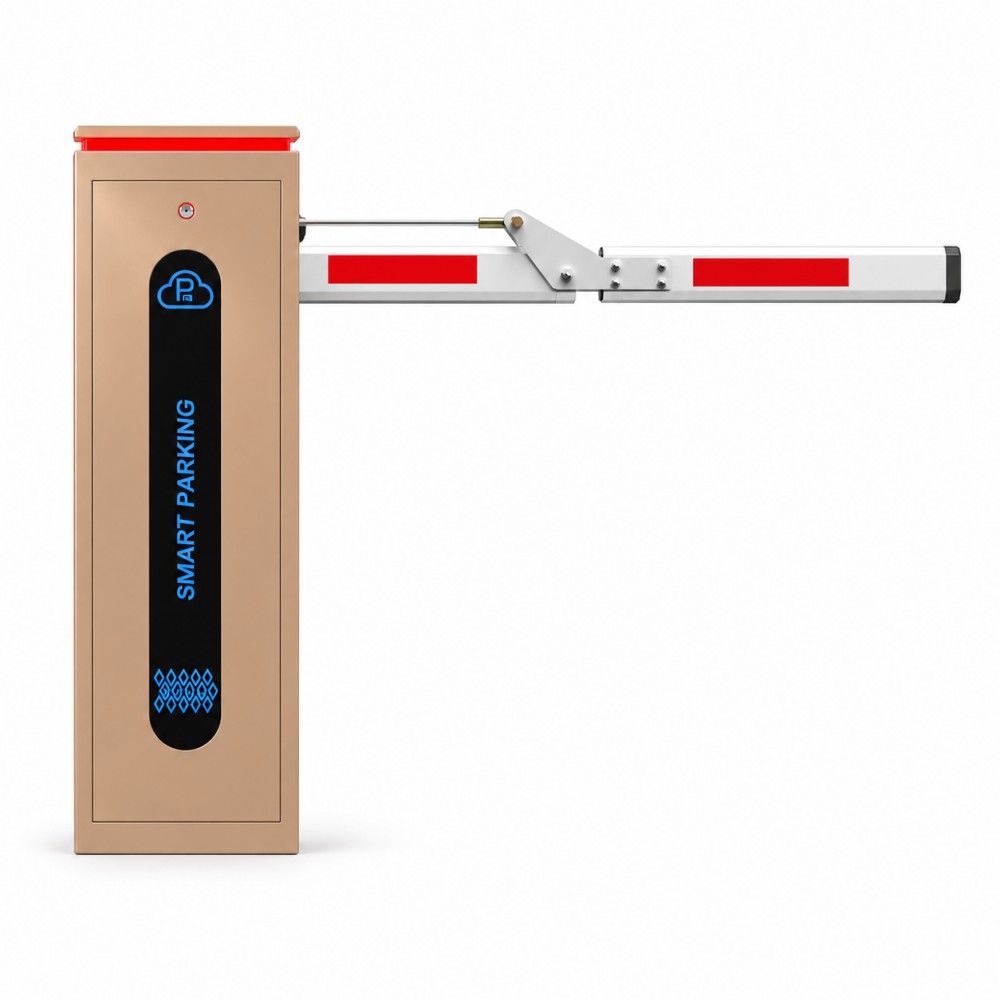
A folding-boom format for sites where vertical clearance is limited.
Explore →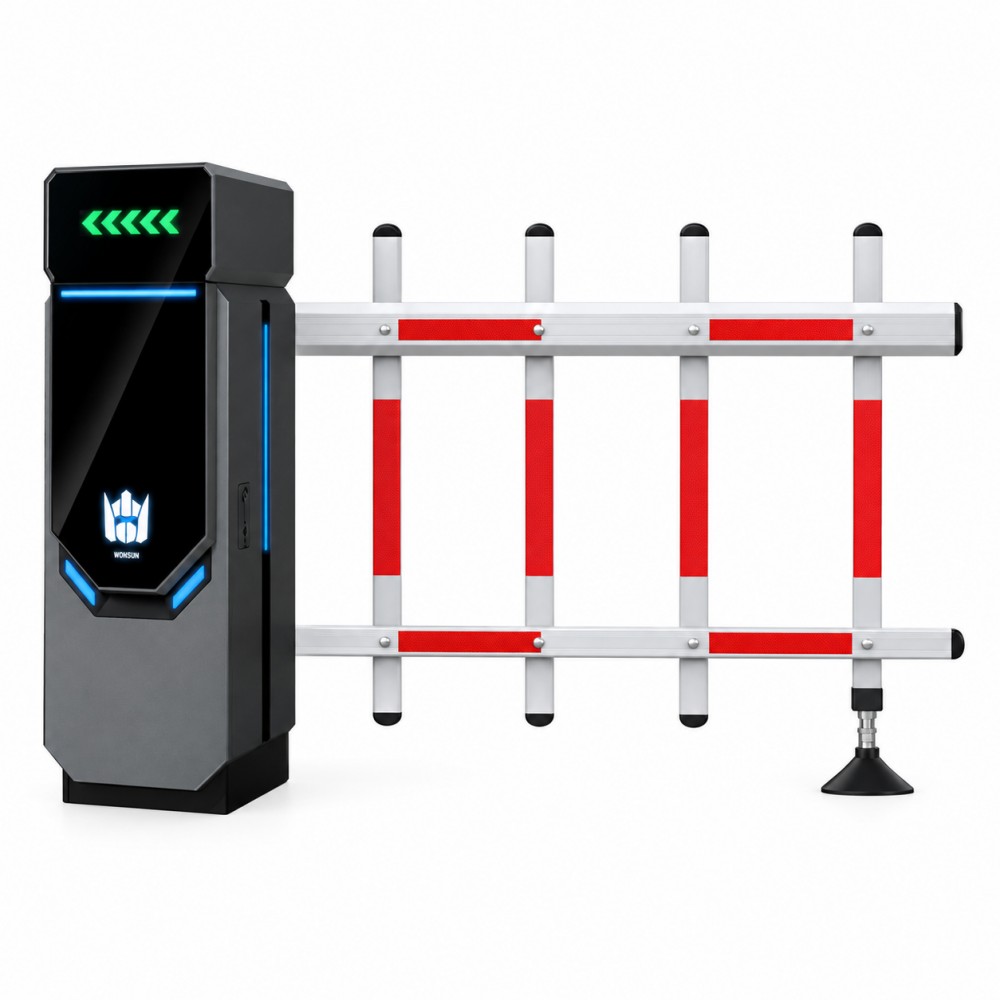
A barrier format with a fence-style boom for defined vehicle access points.
Explore →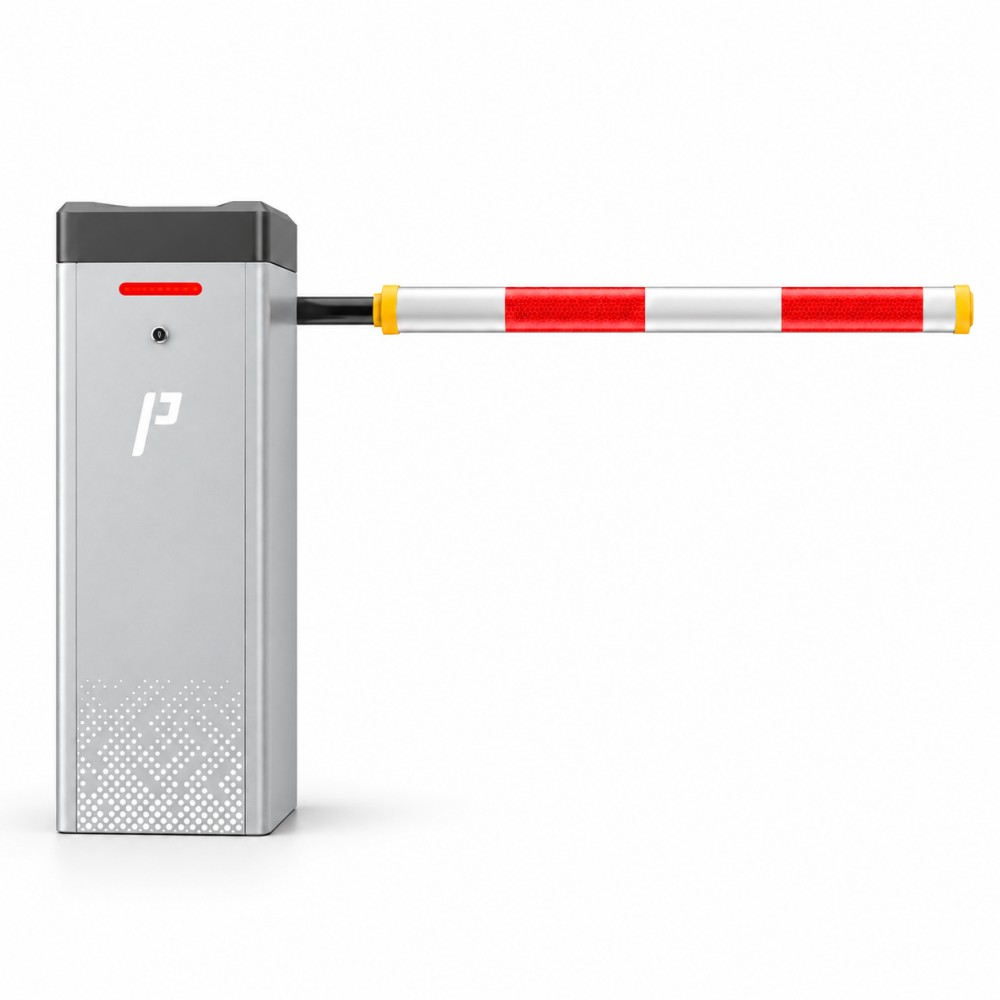
For projects that require a faster opening sequence, subject to the selected model.
Explore →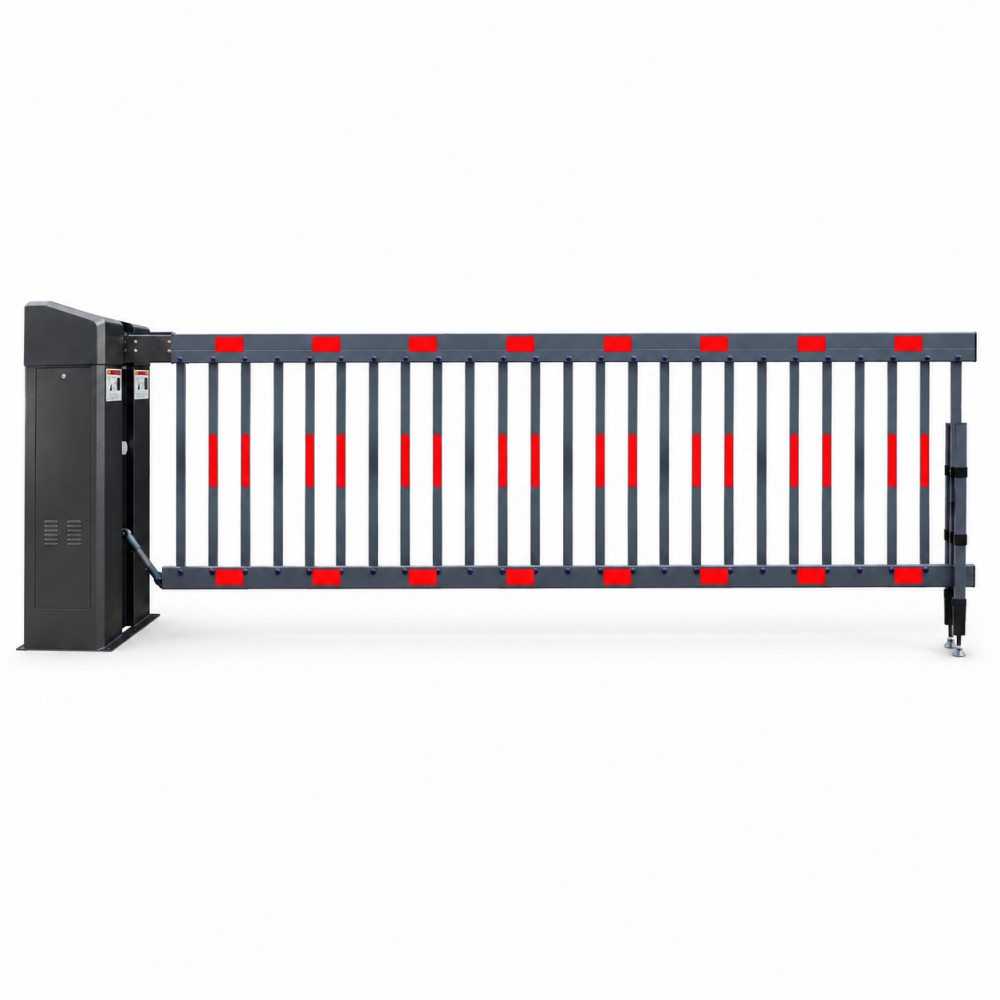
For applications requiring a robust barrier configuration matched to the lane.
Explore →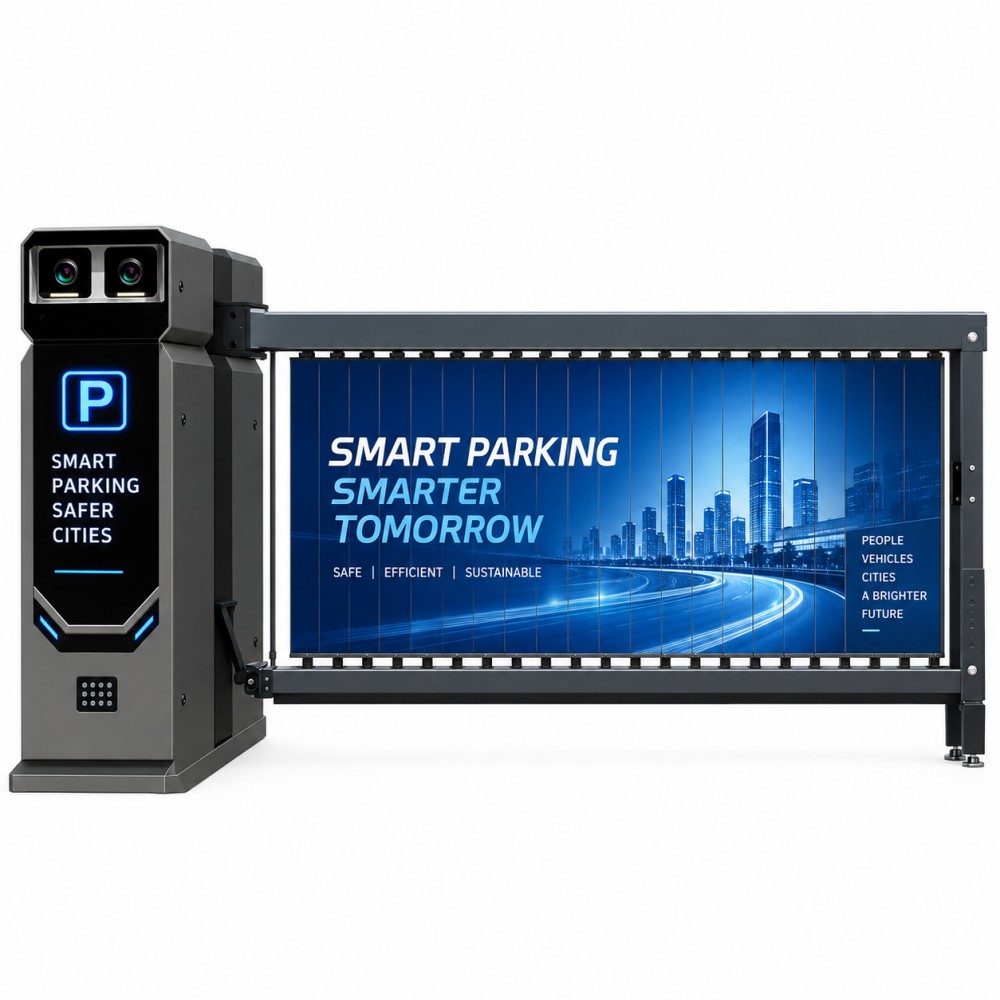
Barrier gate options with an advertising display area.
Explore →Pedestrian Access
Choose the lane format based on traffic flow, entrance space and access requirements.
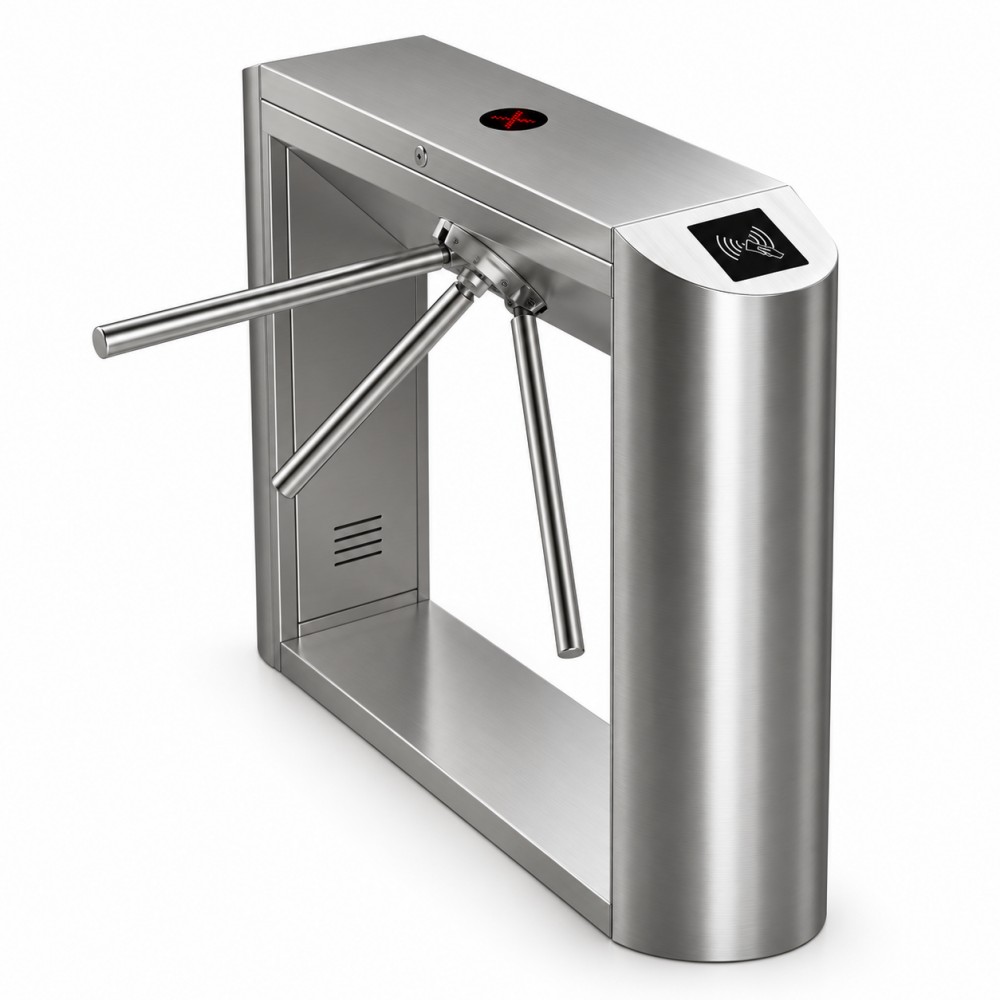
A compact, controlled pedestrian passage format.
Explore →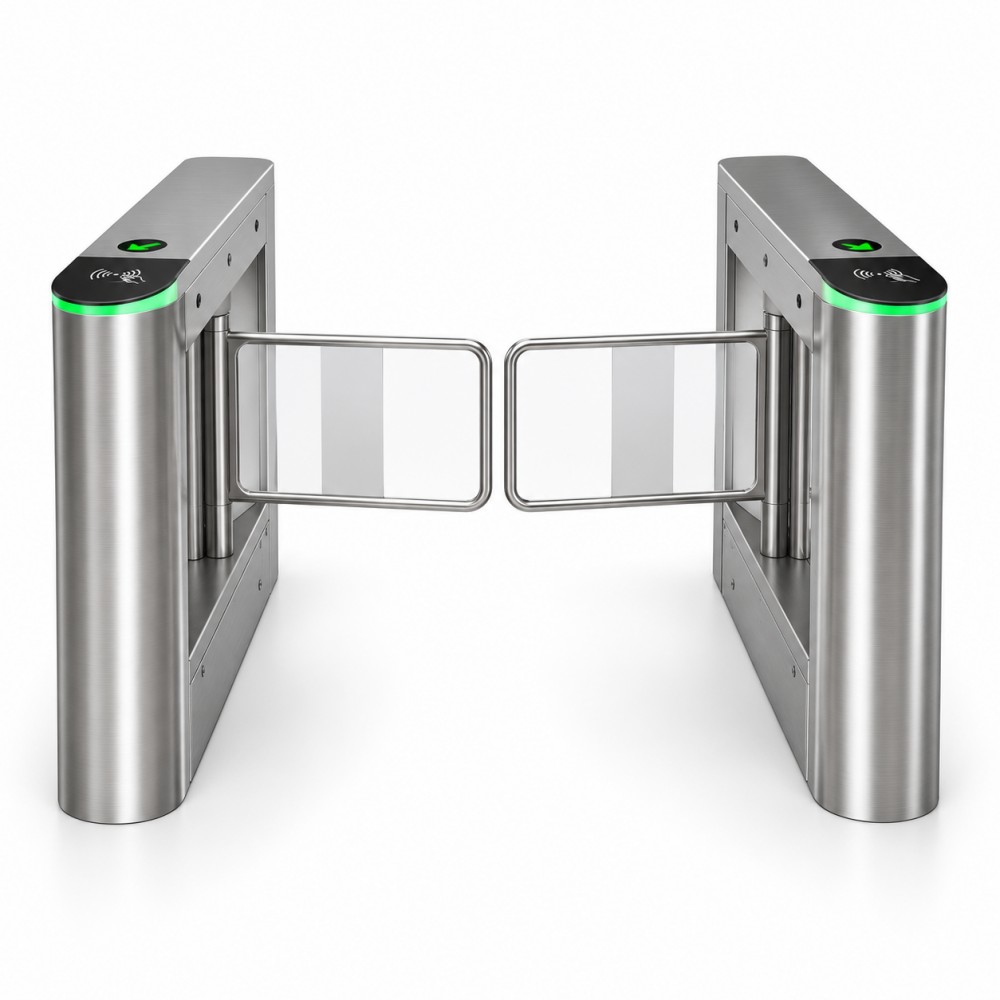
Swing and flap options for controlled pedestrian entrances.
Explore →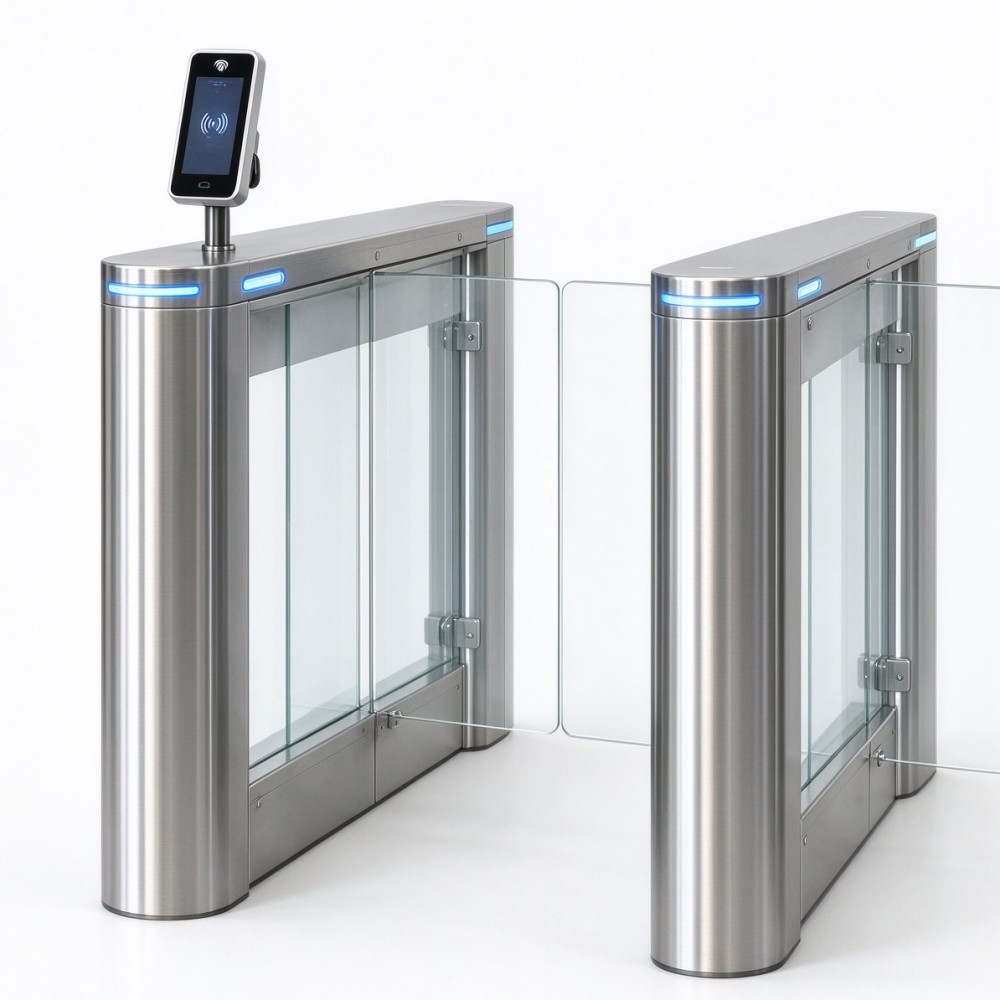
Lane formats for managed pedestrian flow and credential checks.
Explore →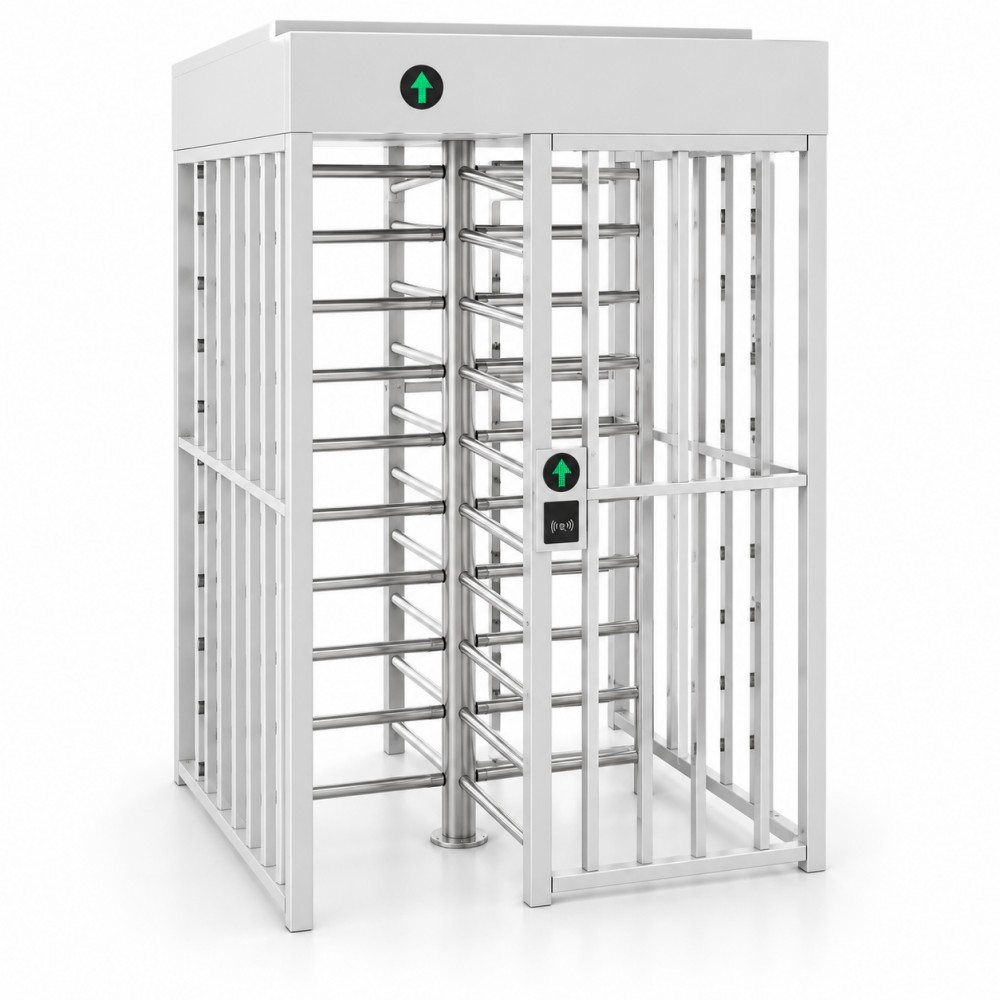
Full-height passage control for more restricted access points.
Explore →Parking Equipment
Select identification, ticketing and payment equipment around the entry and exit workflow.
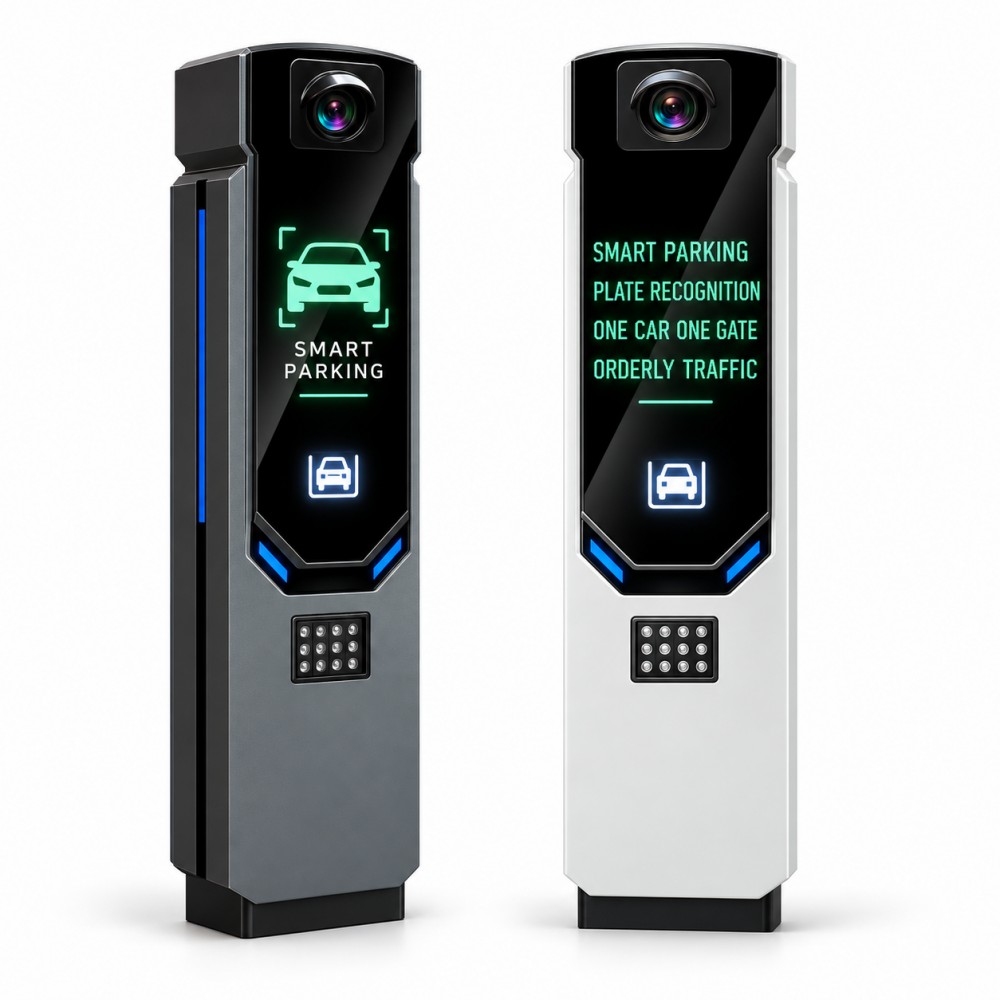
Lane-side terminals for plate-based vehicle identification.
Explore →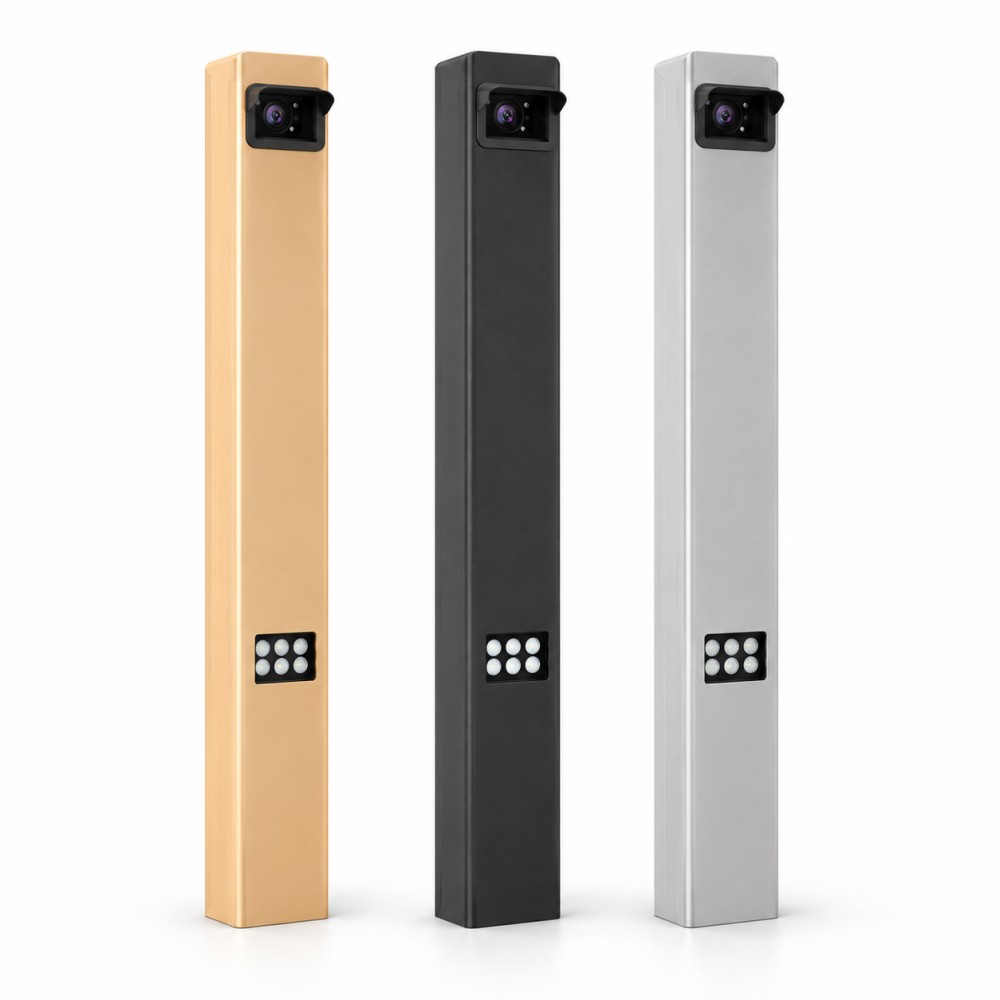
Camera and recognition components for a defined LPR/ANPR configuration.
Explore →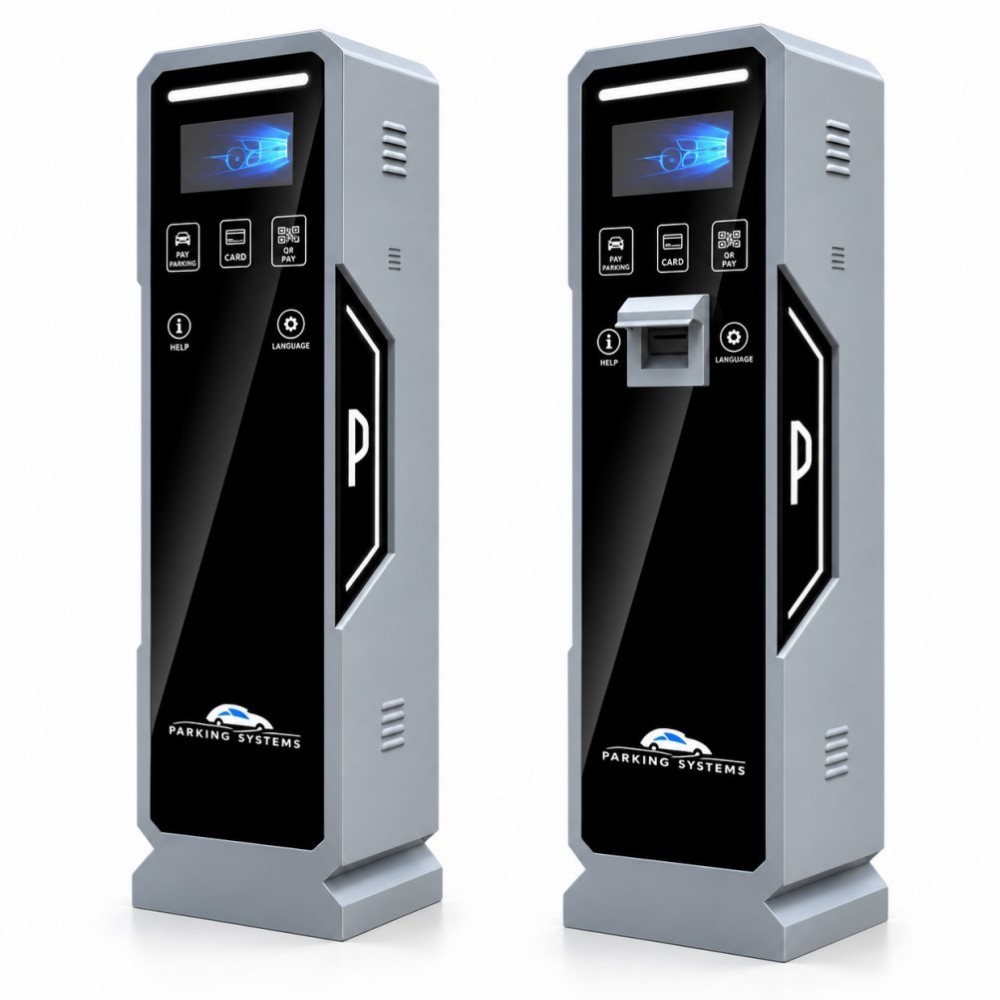
Ticket issue equipment for applicable parking entry workflows.
Explore →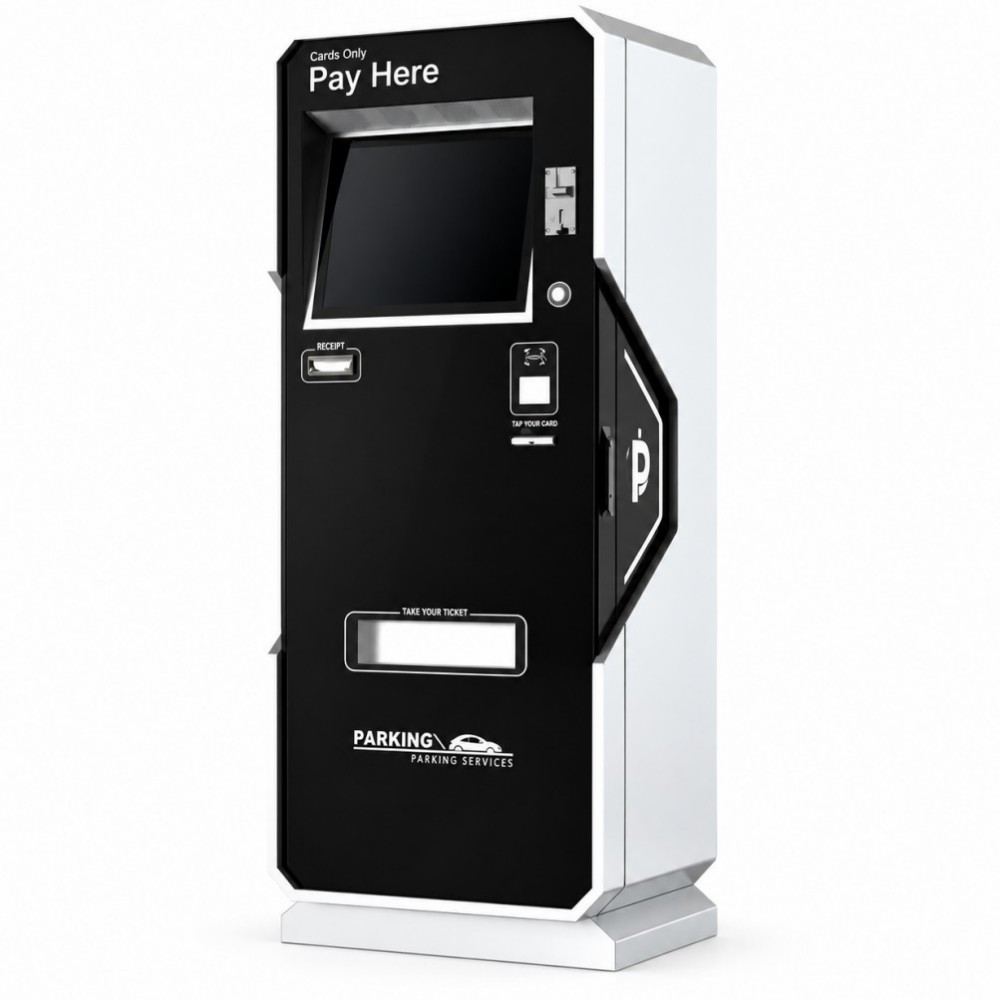
Payment equipment selected for the parking operation and destination market.
Explore →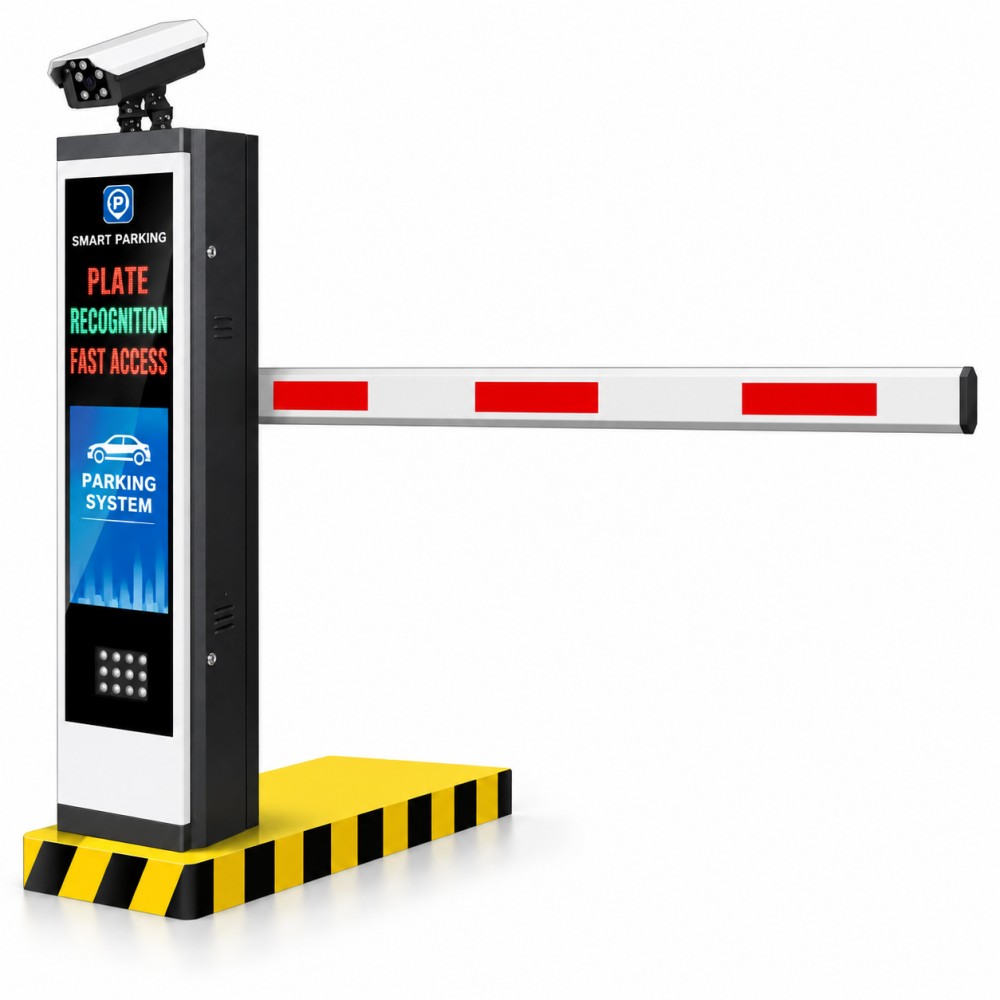
Combined barrier and license-plate-recognition equipment for a compact lane layout.
Explore →Two-Wheeler Access
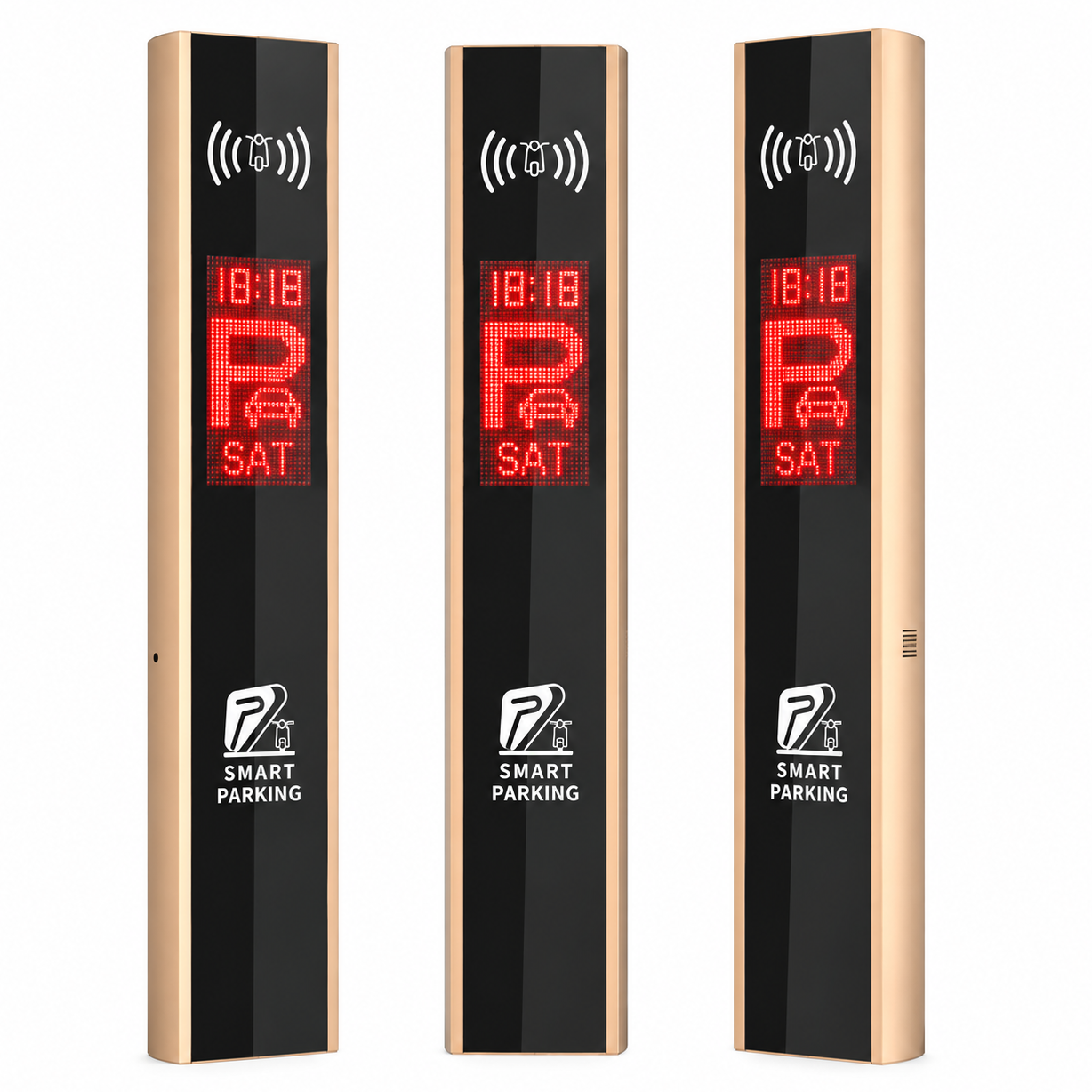
Dedicated entry equipment for motorcycle and e-bike identification workflows.
Explore →Parking Guidance
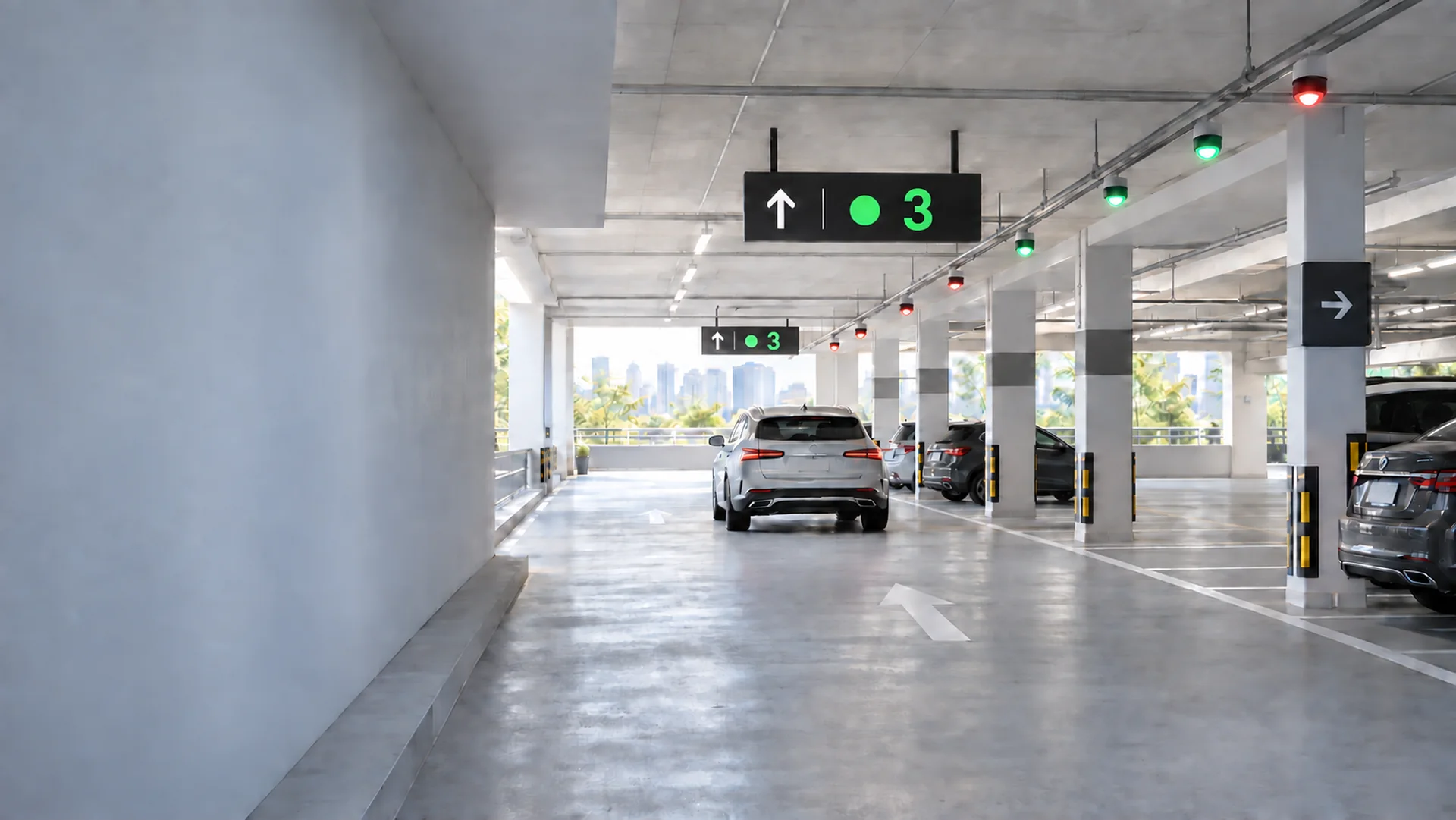
Space detection and directional guidance for drivers across parking areas.
Explore →Parking Software
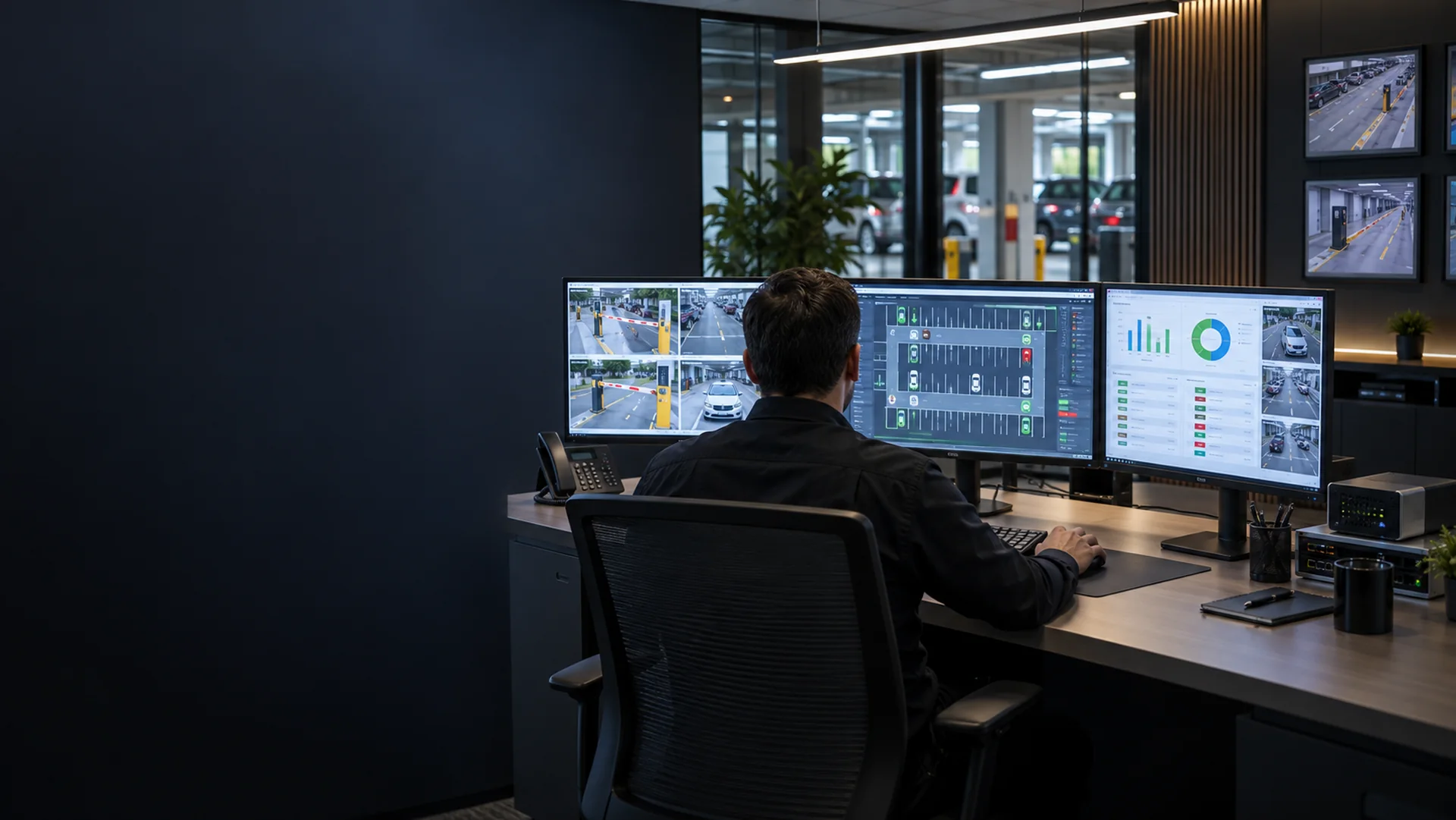
Manage vehicle permissions, parking events, operators and reports.
Explore →Complete parking system
Define the users, identification method, access decision and exit workflow before selecting the hardware.
Use LPR/ANPR, RFID/UHF, a ticket or operator input to start the access decision.
Coordinate the barrier gate, vehicle detection and safety devices.
Define users, entry and exit events, permissions and reporting requirements.
Confirm access or payment before releasing the exit lane.
Identification
Use plate recognition for mixed or temporary vehicles, UHF tags for registered users, or a combined workflow for complex sites.
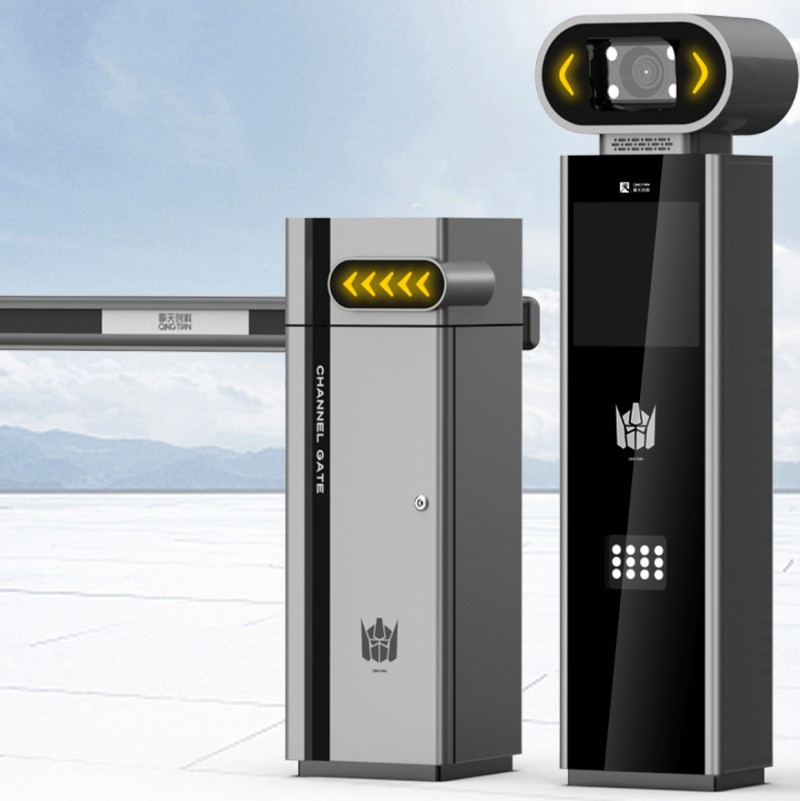
Visitor and mixed-user access
Plate-based entry and exit with cameras, displays, barriers and record requirements.
Explore →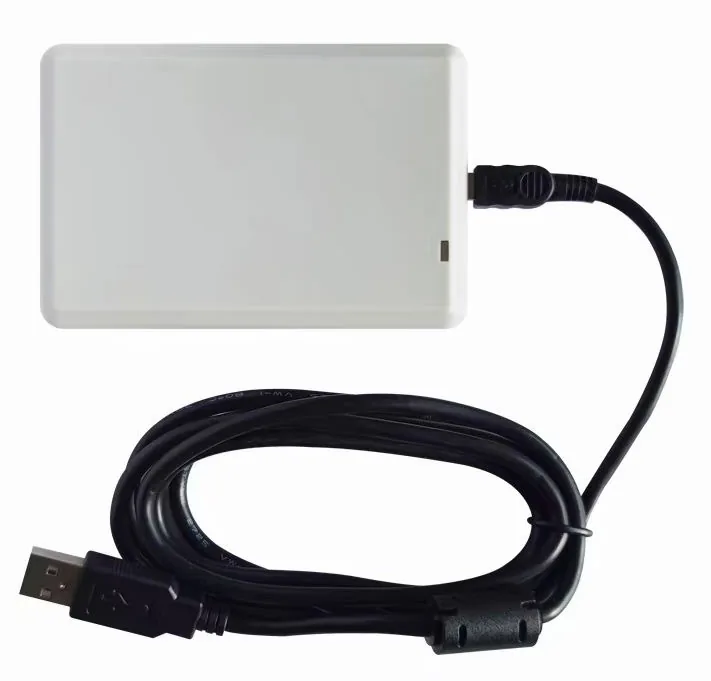
Registered-vehicle access
Tag-based, hands-free access for residents, employees and fleets.
Explore →Pedestrian access
Define the lane width, credential method, traffic flow and emergency requirements before selecting a turnstile format.
Compare tripod turnstiles, swing and flap barriers, speed gates, full-height turnstiles and face-recognition terminals by application.
Solutions
Review recommended workflows for commercial, residential, office, industrial, logistics and public parking projects.
Application solution
Commercial facilities must balance transient visitors, tenants, peak traffic and optional payment without creating queues at the entrance.
Explore →Application solution
Residential sites need fast resident access while retaining a controlled, understandable process for visitors, deliveries and temporary vehicles.
Explore →Application solution
Office parking mixes employees, visitors, contractors and reserved spaces across predictable peaks and changing access rights.
Explore →Application solution
Industrial parks must separate staff cars, contractor vehicles, service traffic and restricted zones without blocking production traffic.
Explore →Application solution
Logistics sites need traceable vehicle movements and clear exception handling for fleets, scheduled trucks and third-party drivers.
Explore →Application solution
Public parking requires understandable user journeys, accountable revenue or access records, accessible equipment and robust exception handling.
Explore →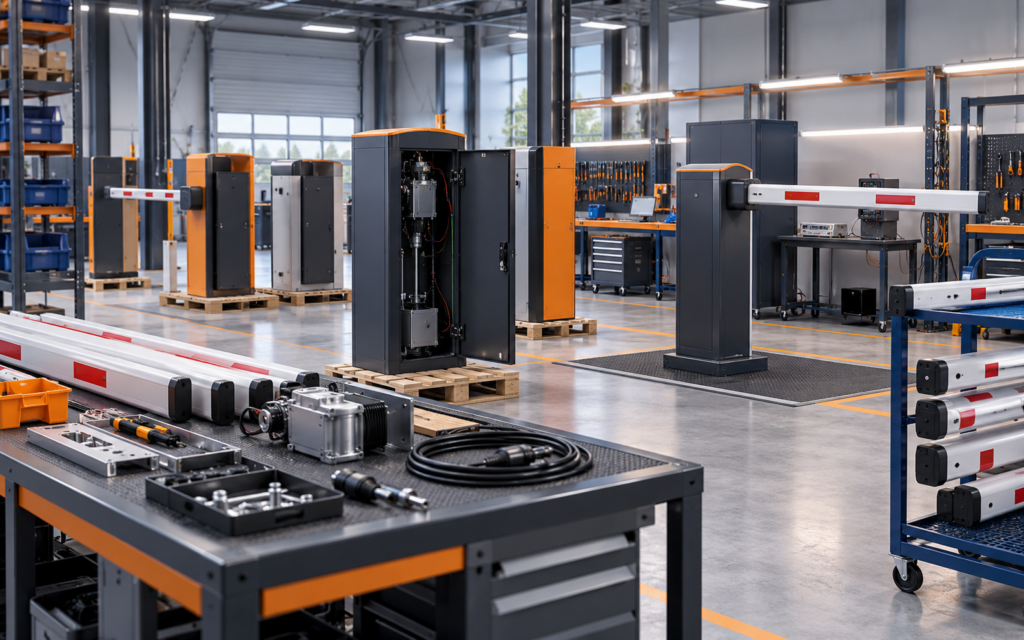
AI-generated illustrations for layout preview. Workshop video and real quality-control photos will replace them.
We bring product engineering, software development and production support together around your project requirements. We validate the agreed design and interfaces before production.
We turn lane, user and operating requirements into product specifications and control concepts, giving your team a clear development scope.
We design enclosures, mechanisms, control boards and electrical architecture for the required form factor and installation.
We build device-control logic, parking software, dashboards and APIs around the agreed workflow and integration needs.
We support prototypes, testing, documentation and manufacturing coordination to move an approved design toward production.
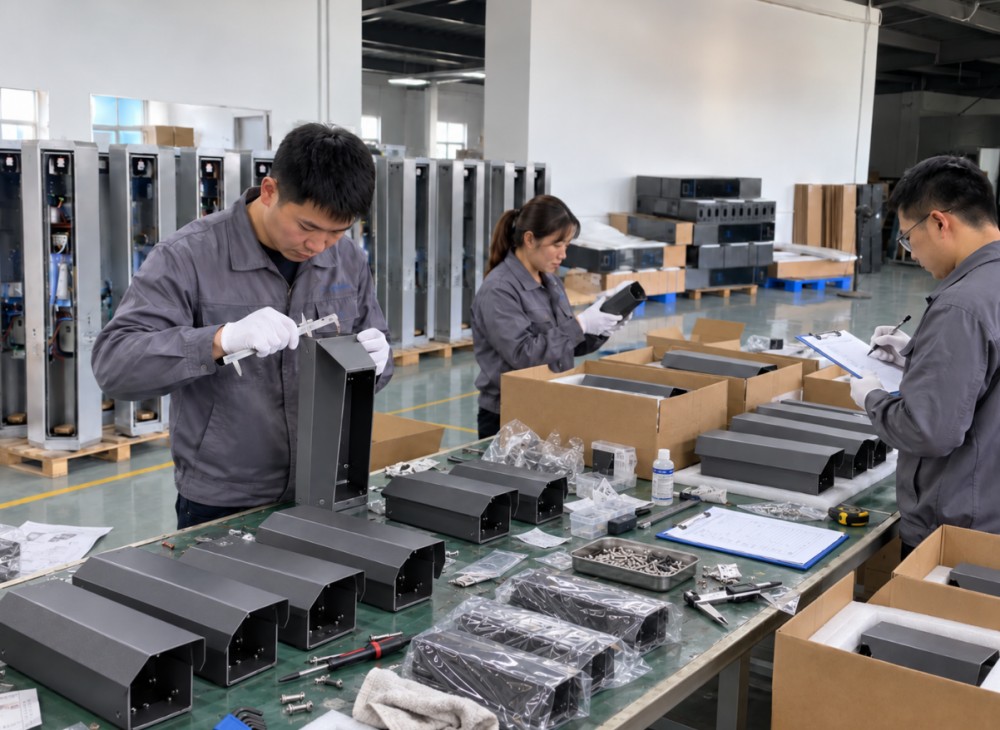
We check incoming motors, control boards, housings and key components against specifications before they move into assembly.
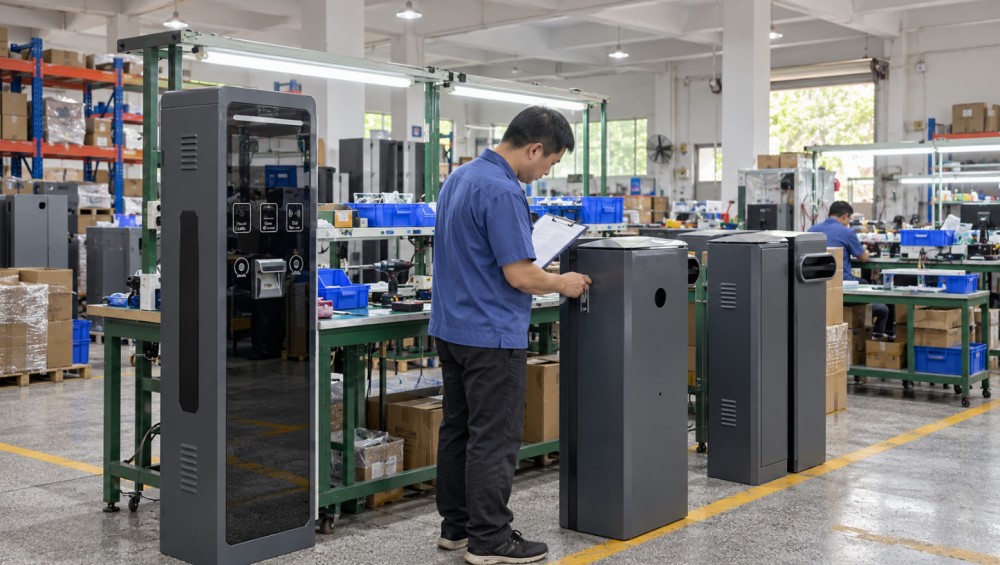
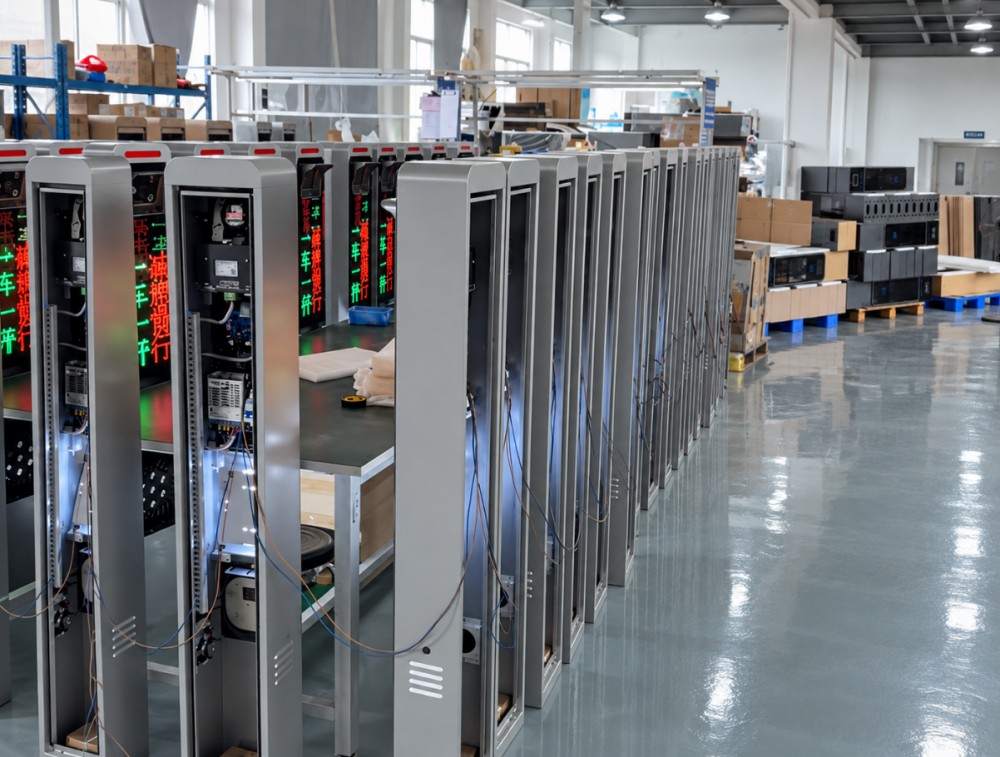
We assemble boom barriers and ANPR equipment with attention to secure component mounting, consistent assembly and orderly wiring.
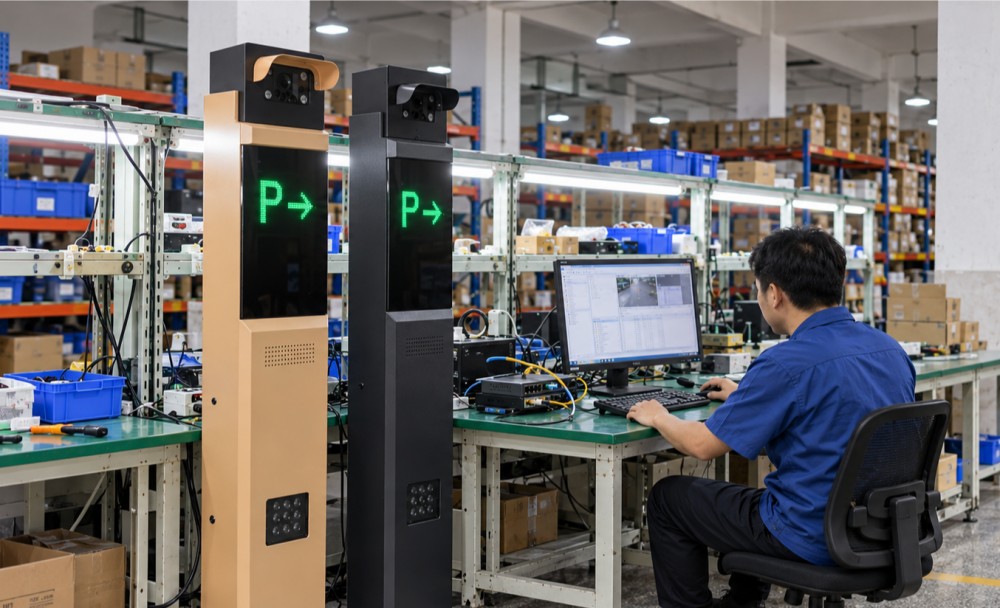
We configure and test communication between recognition devices, access controllers and parking software to suit each project.
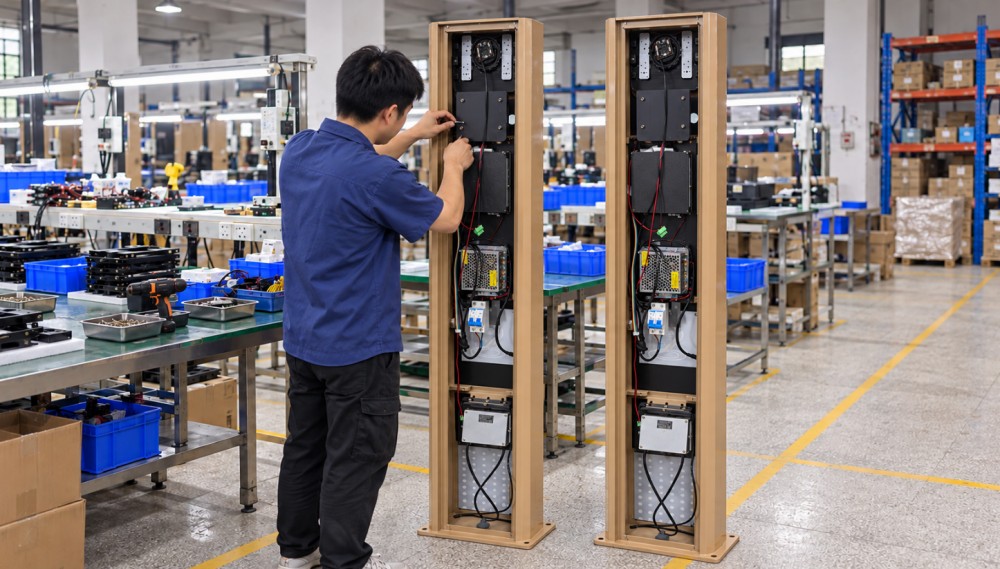
We inspect component mounting, electrical connections and wiring against the required configuration before functional testing.
We run equipment through repeated operating cycles and check applicable safety functions to help identify issues before shipment.
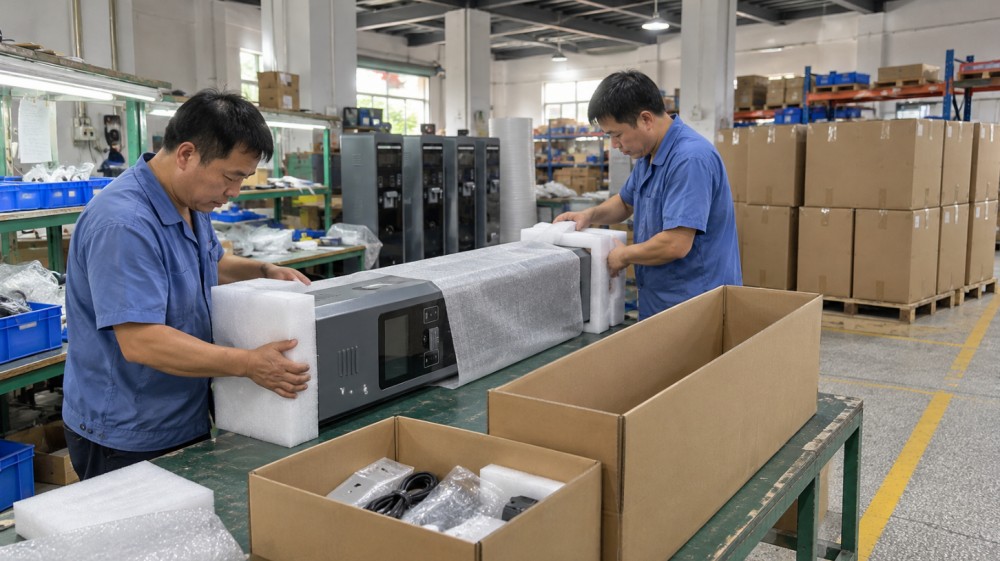
We protect equipment with suitable cushioning and packaging, check accessories and packing details, and prepare each order for shipment.
Custom configuration
We start with the site, users and operating workflow. We then determine whether the project needs a standard configuration, application-specific engineering or a new product development scope.
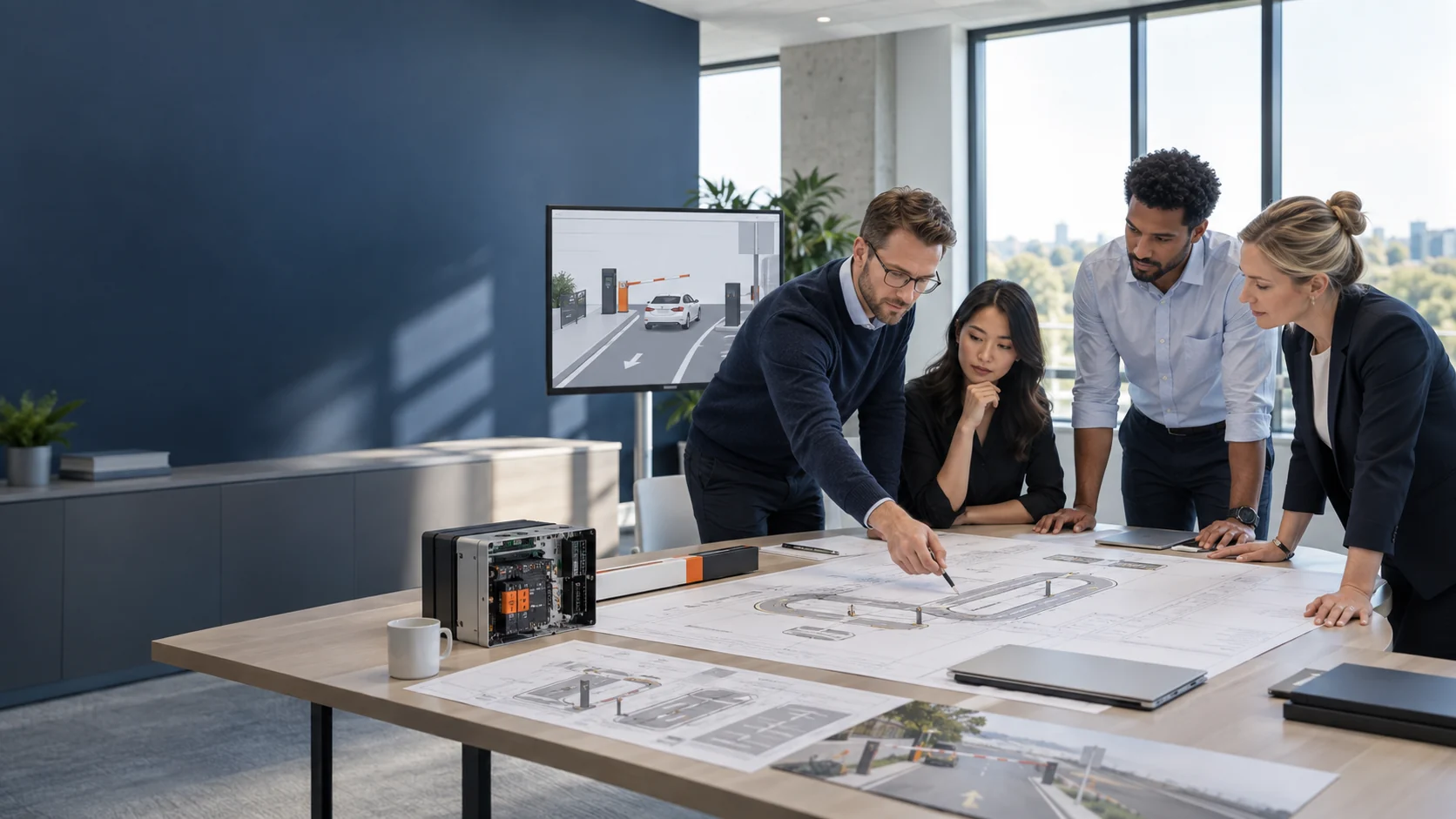
Project planning
Start with the people, vehicles and entrance workflow. Then compare the relevant equipment, controls and project options in a clear sequence.
Clarify the facility type, users, traffic direction and operating conditions before choosing equipment.
Review the relevant families by function, lane format, identification method and available model differences.
List the required control methods, safety devices, access credentials, software functions and documentation.
Share quantities, destination, drawings and operating requirements so the configuration can be reviewed efficiently.

FAQ
Answers to common questions from distributors, installers and project buyers.
Share the destination country, product type, quantity, lane count, dimensions, required identification method, power supply and any documentation or certification requirements. Drawings or a site plan help us review the configuration.
LPR, RFID/UHF and other identification methods can be reviewed for a selected product and workflow. We confirm controller, signal and software requirements for the proposed configuration before quotation.
Certification is not assumed for every model. Tell us the destination market and required standard so we can confirm the applicable product and documentation before an offer.
Yes. Share the desired branding, mechanical, electrical or software changes, target quantity and technical brief. We will assess feasibility and confirm the development scope in a proposal; standard models do not automatically include every requested change.
MOQ depends on the selected model, configuration and any customization. Send the product and target quantity so the applicable minimum can be confirmed in the quotation.
Available documentation, wiring guidance, troubleshooting support and spare parts are confirmed for the selected product and project. Include the destination and service expectations in your enquiry.
Lead time depends on the model, quantity, customization and production schedule. We confirm the estimated timeline with the proposed configuration and quotation.
Sample or prototype availability depends on the product and development scope. Tell us what needs to be evaluated, the target quantity and project timing so we can propose a suitable review path.
Project inquiry
Tell us which products you need, the expected quantity, destination and key site requirements. You can also attach a drawing or specification for reference.